
Jan Panek interviewed at Nordic Fusion Forum 2026.
The third Nordic Fusion Forum gathered policymakers, industry leaders, academia and investors from across Europe to align on how the Nordics can lead in the emerging global fusion energy economy. With the EU and individual nations already drafting fusion strategies and building supply chains, the industry is rapidly taking shape. The regions that master fusion will shape the next century, and the Nordics have every reason to be one of them.
Two years ago, Novatron gathered a small but influential group at the Royal Institute of Technology in Stockholm around a shared conviction: the Nordic countries needed their own meeting place for fusion. After Stockholm, Helsinki and now Copenhagen, that idea has grown into the region’s leading forum for the fusion industry.
“A few years ago, coming back to the Nordics from visiting the UK fusion cluster, I asked myself: are the Nordics still in the caves? When seeing all the high-level representatives from the public and private sector here at the third Nordic Fusion Forum, it’s clear to me that the Nordics are no longer hiding in the caves. We’re becoming front-runners.”
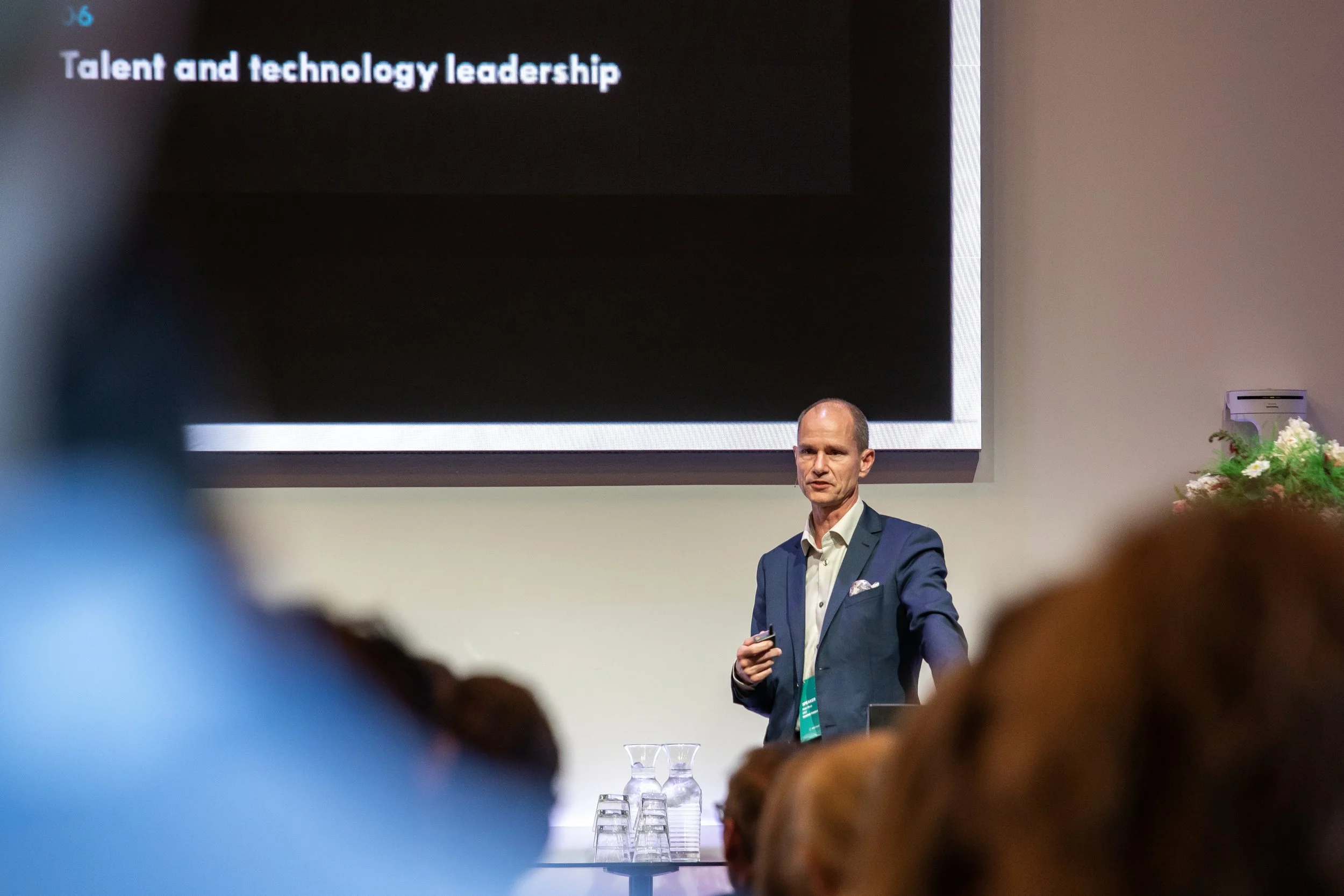
Fusion is shifting out of the lab and into reality
Mr. Jan Panek, Director for Nuclear Energy, Safety and ITER at the European Commission’s Directorate-General for Energy, stated that fusion energy in Europe is now being both industrialized and commercialized. Around 78 percent of the capital committed to fusion worldwide has so far come from public budgets. At the same time, only 6 percent of global VC money invested in fusion has landed in Europe. And while roughly a third of the world’s fusion research is linked to Europe, only about 5 percent of fusion patents originate here. Closing that gap will depend on confidence, according to Panek.
“Today many companies in the world announce ambitious timelines for bringing fusion to the grid, and that ambition is healthy. But if it becomes a missed promise, it can affect confidence in fusion globally. And the answer is not less ambition. The answer is transparency, attachment of plans to clear milestones”
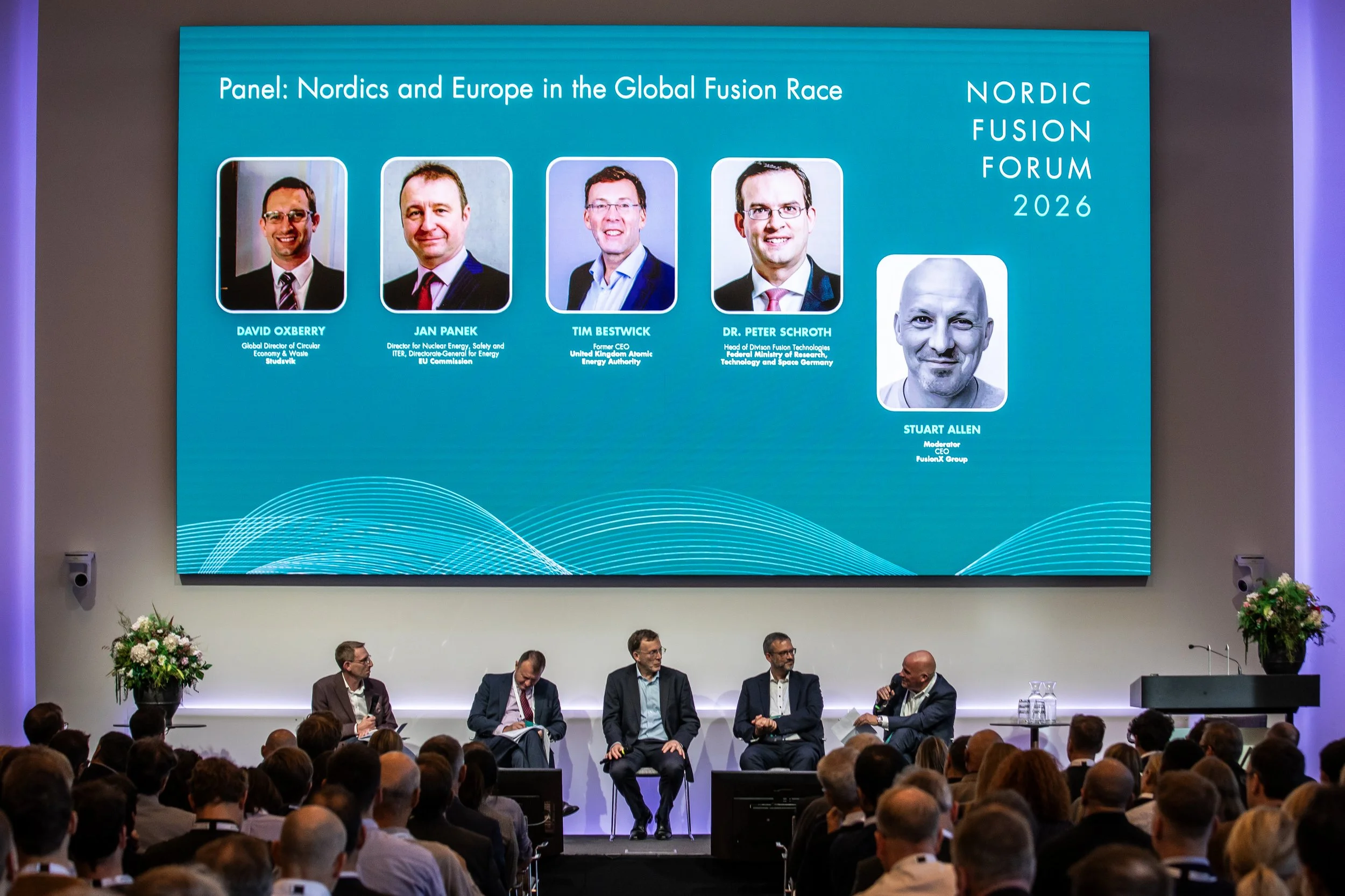
Dr. Peter Schroth, Head of Division for Fusion Research at Germany’s Federal Ministry of Research, Technology and Space, described what it takes to move from science to industrialization.
“You have to build on scientific and technological excellence, but you have to develop that into business cases and into the kind of full-scale, integrated system that a fusion power plant will require. The final goal is a self-sustaining fusion economy built on power plants, not only research and spin-offs”
No country builds fusion alone
No country will build a fusion power plant alone. It will take collaboration across borders, long-term policy frameworks and capital from both the public and private sectors.
This has been stated in Germany’s fusion strategy, which is one of Europe’s most ambitious fusion programs. “We feel embedded in the European ecosystem, and we need to and we want to work with the European ecosystem,” said Schroth.
His advice to the Nordics: “I think your goal should be to focus and to build on your strength.”
How the Nordics can lead
The Nordics have plenty to build on, from world-class research to advanced manufacturing. Anna Liberg, Head of Strategy at Business Sweden, stated that once industrial companies see the opportunities, Nordic industry already has “approximately 80 percent of the industrial value chain” needed for fusion.
The Nordic economies depend on their export industries, and fusion is a chance to build the next one. And where others add complexity, the Nordics can remove it.
Across keynotes and panels, speakers kept returning to the same priorities: close the technological and industrial gaps, build a long-term and transparent regulatory framework with high ambitions that can be delivered on, and attract the talent the industry will depend on. No single company or country can do this alone. It calls for a Nordic fusion ecosystem, where governments, industry, academia and investors move in the same direction and the Nordics acts as one strong node in Europe’s fusion landscape. None of it happens from the sidelines.
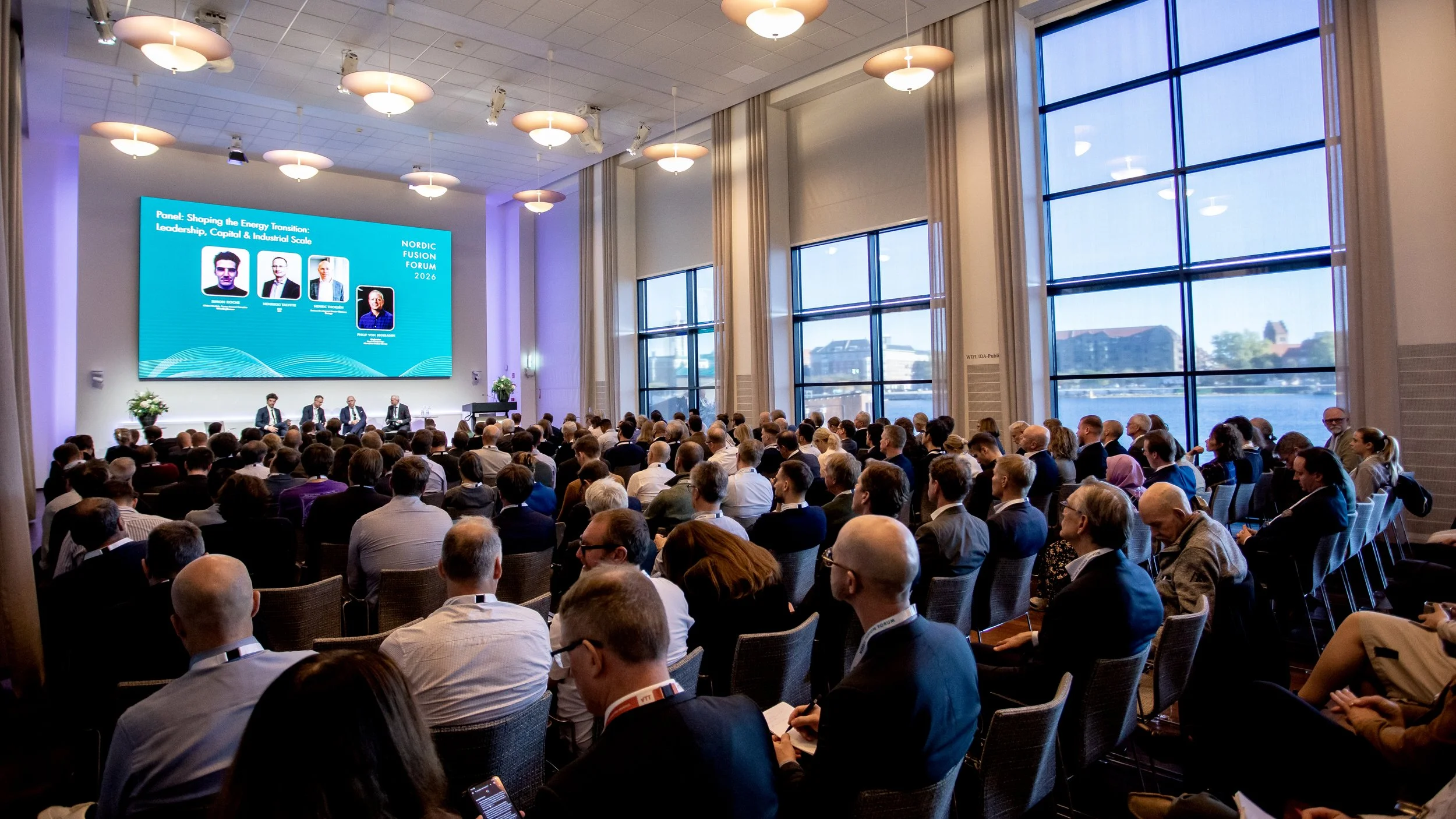
“There is a choice for each and every one in the fusion community: should I be an observer, or should I take action? Now that we’re collectively starting to take action, the Nordics will be a serious player in the emerging global fusion economy”
The momentum is building. Participation doubled from last year, and more companies, research institutes, government agencies and investors across the Nordics are joining forces. Next stop: Oslo, where the fourth Nordic Fusion Forum takes place in October 2027.